Choosing a Cleanser: A No-Fuss Guide
A cleanser has one job: remove dirt, oil, sunscreen and makeup without upsetting your skin. Yet cleanser shelves are crowded with options. Here is a simple way to think about them.
Gel cleansers
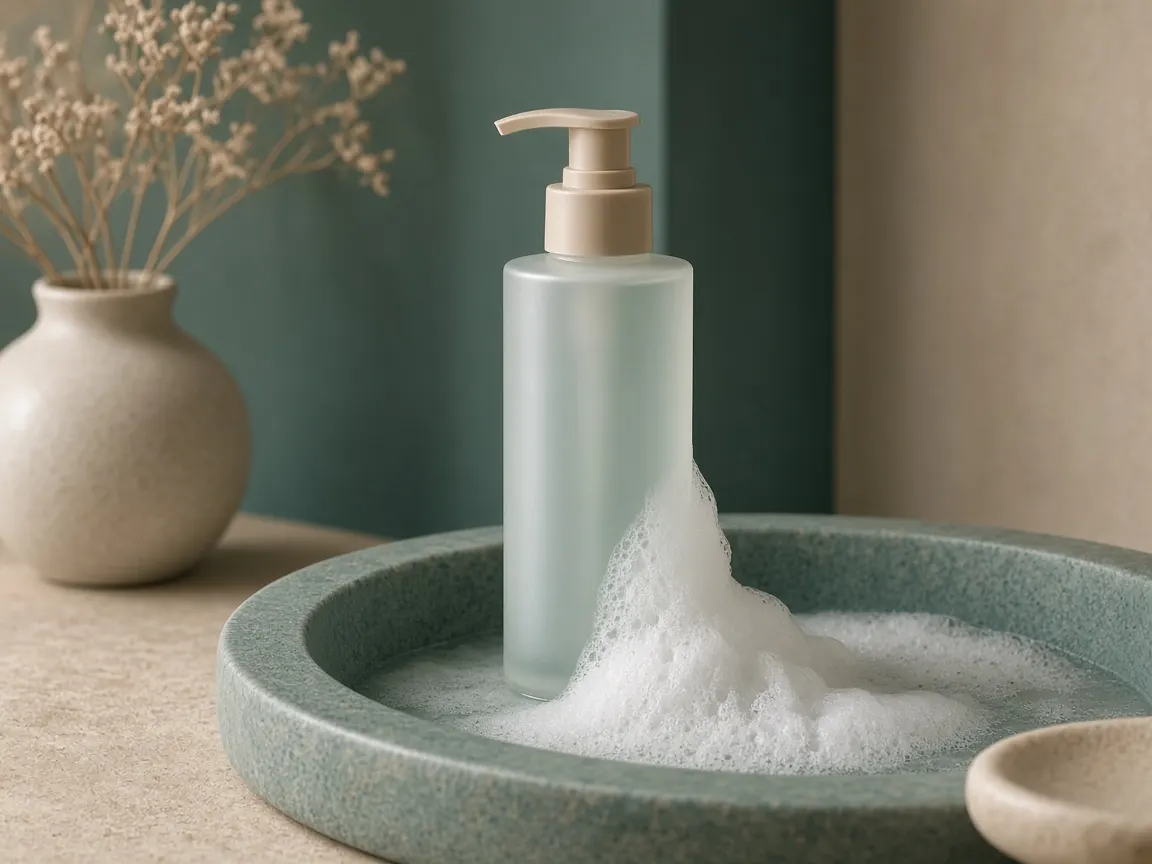
Gels tend to feel fresh and rinse off cleanly. Many people with oilier skin like them. If a gel leaves your face feeling tight, try a milder version or switch types.
Cream and milk cleansers
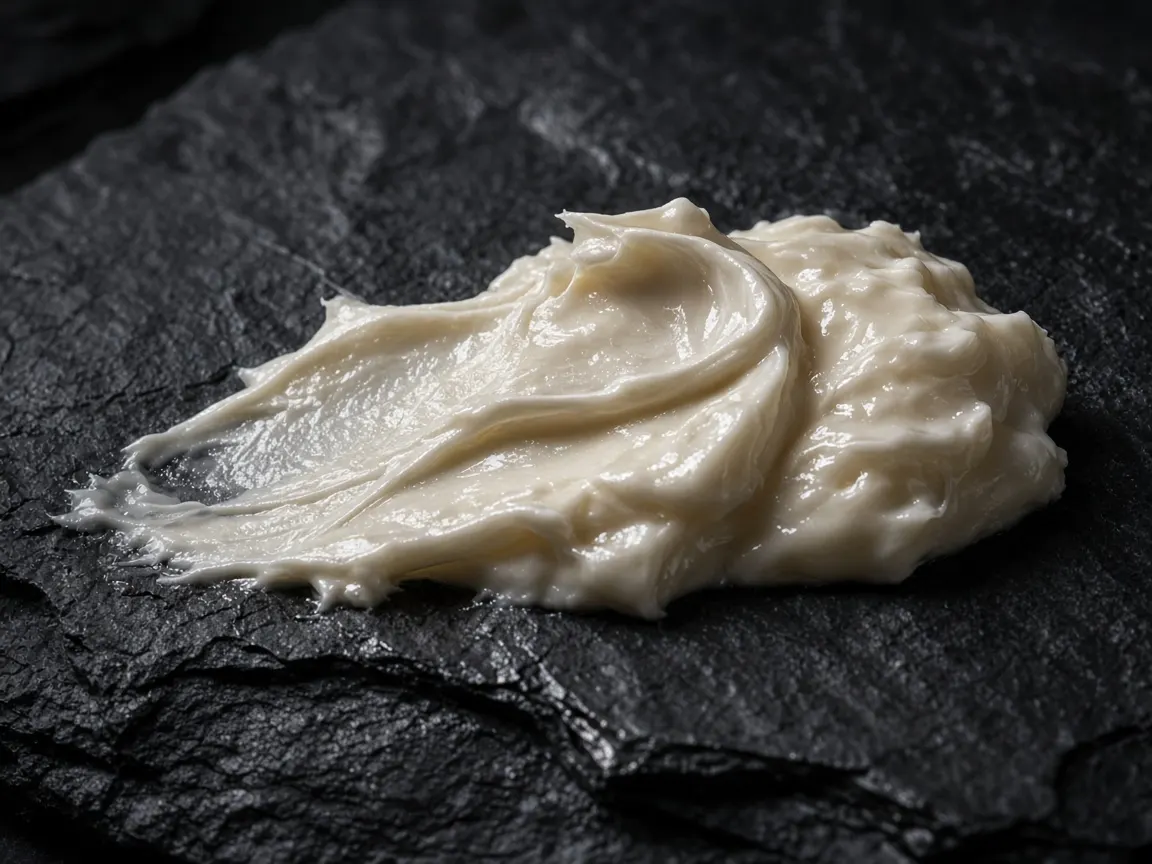
These are soft and non-foaming, often preferred by people with dry or sensitive skin. They can feel less dramatic, but they still clean.
Balms and oils
Cleansing balms and oils are good at melting away makeup and sunscreen. You massage them onto dry skin, then add water to rinse. Many people use them as the first step of a double cleanse in the evening.
Micellar water
Handy for quick makeup removal, travel and tired nights. Some people like to rinse afterwards, others do not.
What to avoid
Very foamy, strongly fragranced products and harsh bar soaps can be drying for many faces. Gritty scrubs used every day can also irritate. If skin feels squeaky, it has probably been stripped.
How to wash
Use lukewarm water and your fingertips. Massage the cleanser for about thirty seconds, paying attention to the hairline, sides of the nose and jaw. Rinse thoroughly and pat dry with a clean towel.
How often
For most people, once or twice a day is enough. In the morning, a water rinse may be all you need. Always cleanse after a sweaty workout.
Try one at a time
When switching cleansers, give the new one a couple of weeks. Introduce one new product at a time so you can tell what is causing any changes. If you notice stinging, redness or rashes, stop and switch to something gentler.
The right cleanser is the one you barely think about: your skin feels clean, soft and comfortable afterwards.